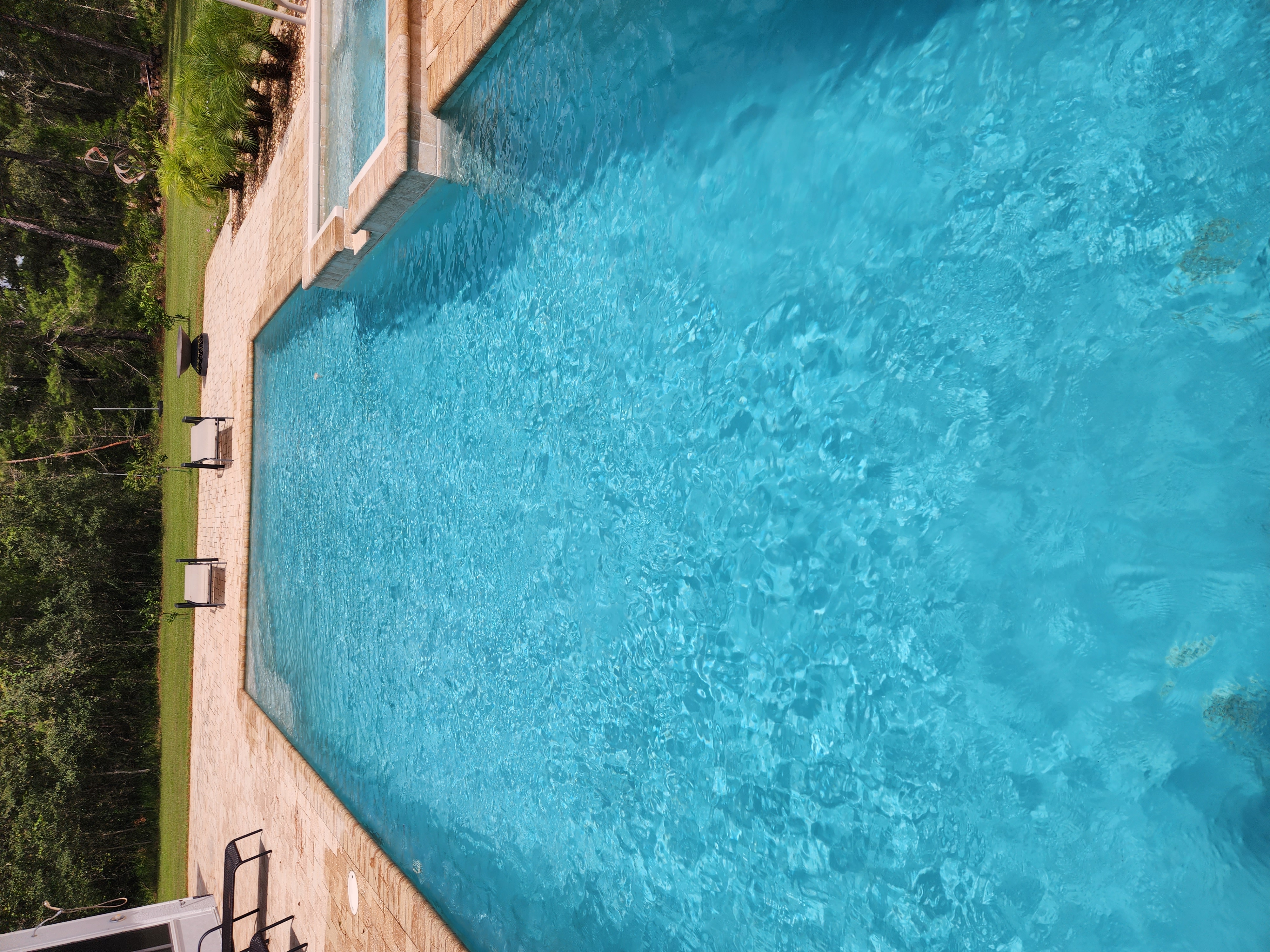
The Science Behind Water Chemistry: Keeping Your Pool Crystal Clear May 13, 2026
The first component to grasp is pH balance. The pH level measures how acidic or alkaline the pool water is, and keeping it balanced is crucial for swimmer comfort and the effectiveness of your sanitizers. The ideal pH level for a pool lies between 7.2 and 7.8. Levels below this range can cause skin irritation and damage to pool equipment, while levels above can reduce chlorine effectiveness, leading to unsanitary conditions. Regularly testing your pool's pH enables you to make the necessary adjustments to maintain this balance.
Chlorine, a common pool sanitizer, plays a vital role in water chemistry. It functions as the primary agent to eliminate bacteria and algae, ensuring your pool is safe for swimming. However, merely adding chlorine is not enough. The concept of chlorine demand—where the amount of chlorine needed to oxidize unwanted contaminants rather than sanitizing the pool—means you must maintain appropriate chlorine levels to avoid water clouding or recurring algae issues. Aim to keep free chlorine levels between 1.0 to 3.0 parts per million (ppm) for the desired clarity.
Total alkalinity is another significant factor in managing water chemistry. It acts as a buffer for the pH, helping maintain stable levels by preventing rapid fluctuations. Ideal alkalinity should range between 80 to 120 ppm. Low alkalinity can cause pH to be unstable, while excessive levels can lead to cloudy water and pH lock, where adjustments in pH levels become more challenging.
Calcium hardness is often overlooked, yet essential for preventing corrosion of pool surfaces and equipment. It measures the concentration of dissolved calcium in the water, with optimal levels depending on the pool material. For concrete and plaster pools, aim for 200 to 400 ppm, and for fiberglass or vinyl pools, maintain 150 to 250 ppm. Insufficient calcium hardness can cause water to leach calcium from surrounding materials, leading to damage. Conversely, too much calcium can result in scaling.
Cyanuric acid, or pool stabilizer, helps protect your chlorine from being rapidly degraded by sunlight. A stabilizer should be maintained between 30 to 50 ppm; however, levels above 50 ppm can hinder chlorine efficacy and result in algae growth. Regular testing helps identify if you need to reduce or increase the stabilizer concentration.
Keeping your pool crystal clear involves not only understanding these components but also committing to regular monitoring and adjustments. With Knockout Pool and Spa Care LLC at your service, you gain expert insight and assistance in maintaining optimal pool conditions. Whether through seasonal services or routine checks, their expertise ensures your pool chemistry is well-managed, leaving you free to enjoy your swimming experience without worry.
Regular maintenance of water chemistry helps prevent costly repairs, extends the life of your pool, and, most importantly, ensures a safe and healthy swimming environment. Should you need more tailored advice, Knockout Pool and Spa Care LLC is ready to provide the services necessary to keep your pool in top shape all year long.
/filters:no_upscale()/filters:format(webp)/media/be7958bf-efe7-4071-a2ce-44b684a59c52.jpeg)
/filters:no_upscale()/filters:format(webp)/media/6248e661-4351-490b-959e-ac5acbe6df2b.jpeg)